


Table of Contents
Curious about turbulence? Learn the science behind what causes it, why it happens and why it's much safer than it feels.
Since humans weren’t born with wings, flying is an entirely natural fear. Aerophobia (the fear of flying) actually affects around 40% of American adults. Contrary to what anxiety can make us believe, however, air travel remains the safest form of transportation by a wide margin.
Of course, when you’re up in the sky and the plane is shaking, this can be hard to believe. Enter turbulence, a word that’s become fully synonymous with trouble. But this naturally occurring weather event is really, well… just dramatic air. Instead of imagining a storm ripping your vessel out of the sky, try to think of it like a car transitioning from pavement to an old dirt road. In reality, turbulence is a routine part of air travel that pilots, planes and the aviation industry are exceptionally well-equipped to handle.
Still not so sure? Let’s break down what turbulence actually is, why it happens, what your plane is doing during those bumps and — most importantly — why it’s far safer than it feels.

Here's What's Actually Going On Up There
“My plane suddenly feels like a paint mixer, and I’m the paint. Why?”
Maybe you’ve heard your flight crew try to explain turbulence before… or maybe you were too busy trying to take deep breaths and think happy thoughts to hear the garbled announcement.
While potentially distressing, at its core, turbulence is just irregular, swirling air. Instead of smooth, steady airflow, the atmosphere is full of invisible currents that move up, down and sideways. When your plane passes through them, you feel those shifts as bumps, jolts or that brief stomach-drop sensation that makes you feel like you’re riding a roller-coaster.
This is akin to driving over an uneven or rocky road. During turbulent moments, the plane is still moving forward exactly as it should, it’s just encountering pockets of air that aren’t perfectly smooth.
Pilots and meteorologists classify turbulence by intensity, from light (barely noticeable) to extreme (all items and personnel must be secured). Most of what passengers experience falls firmly on the lighter end of that spectrum, even if it feels more dramatic in the moment.
Did You Know? Most commercial flights cruise between about 30,000 and 40,000 feet, and even during turbulence, altitude changes are typically incredibly small compared to that overall height. Your inner ear just happens to be very good at making subtle motions feel big.
Why Does Turbulence Happen?
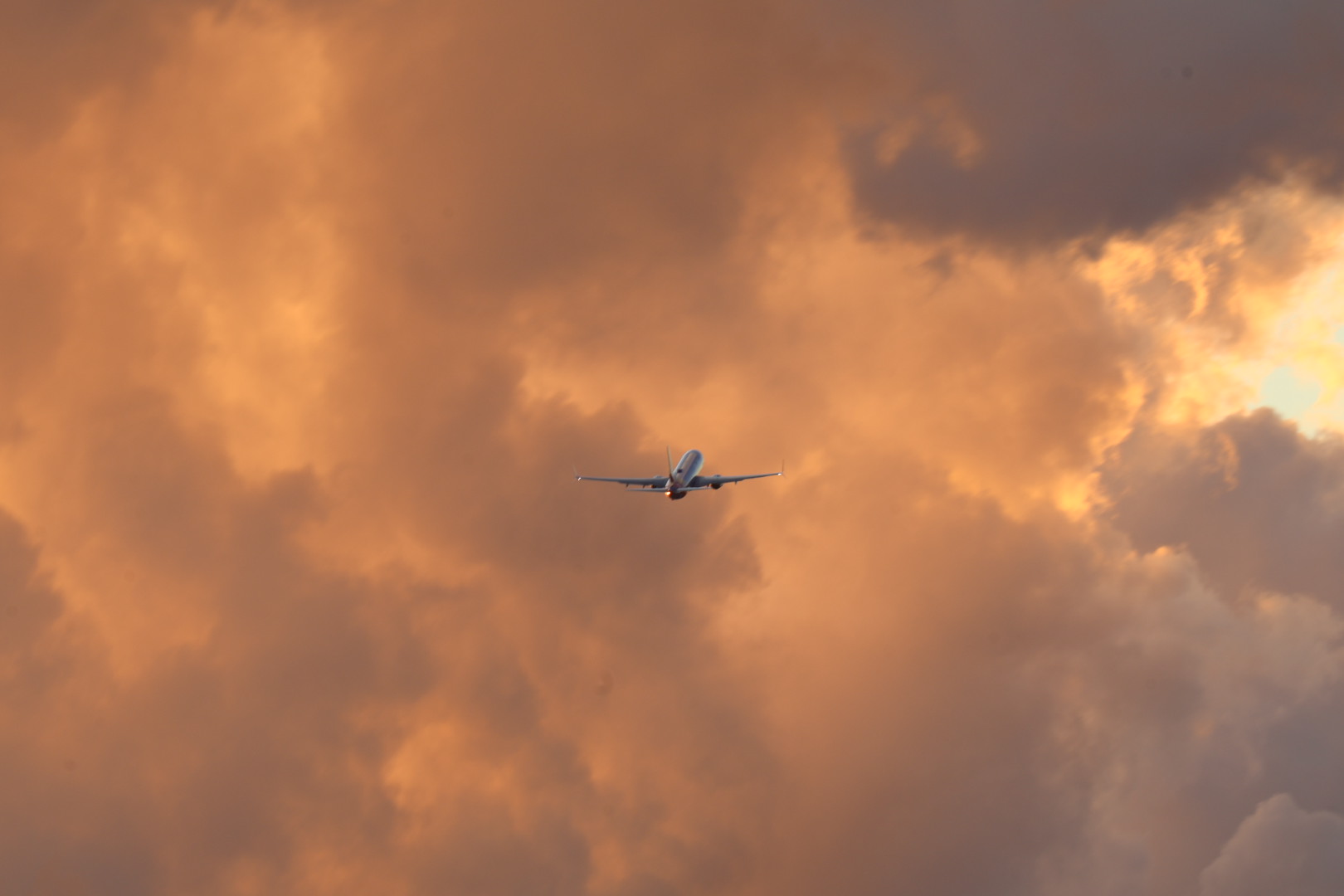
The sky may look calm from your window seat, but it’s constantly in motion. Turbulence is simply what happens when different air movements collide, overlap or shift direction. Four main ingredients produce these kinds of weather occurrences:
- Convective or thermal turbulence: Sun-warmed ground heats pockets of air that rise like invisible bubbles, while cooler air sinks, creating vertical currents that can jostle a plane as it flies through them. This is why flights over land are often bumpier on sunny afternoons than in the early morning or late evening, when the surface has cooled and those currents are weaker.
- Mechanical and mountain-wave turbulence: When wind flows over rough terrain, buildings or especially mountain ranges, it’s disrupted and forms rolling eddies and standing waves downwind. Aircraft flying through these waves can experience a series of bumps or oscillations even under clear skies.
- Frontal and storm-related turbulence: Near weather fronts and thunderstorms, strong updrafts and downdrafts, as well as wind shear (changes in wind speed and direction with height), can create significant turbulence. Pilots and onboard radar are trained and equipped to avoid the most severe parts of these systems, especially the cores of thunderstorms.
- Clear air turbulence (CAT) and jet streams: At typical cruising altitudes, fast, narrow rivers of air called jet streams can develop sharp wind gradients that create clear air turbulence, often between about 20,000 and 45,000 feet, particularly near the edges and cores of these jets. Because CAT occurs in cloudless regions and may not show on radar, airlines rely on forecasts, reports from other aircraft and onboard sensors to anticipate and navigate around it.
In short, turbulence is a normal consequence of our planet’s dynamic, three-dimensional atmosphere, and is a common experience in the sky.
Is Turbulence Getting Worse?
Scientists do see evidence that certain types of turbulence, particularly clear air turbulence, are becoming more frequent and intense in some busy flight corridors as the climate warms. Warmer temperatures at cruising altitudes can change atmospheric stability and increase wind shear in jet streams, making the conditions that generate clear air turbulence more common.
Model-based studies using climate projections estimate that wind shear in key flight levels could increase by roughly 16–27% by the end of this century, with a corresponding 10–20% decrease in atmospheric stability, favoring more CAT.
For passengers, this means you might notice more episodes of increased jostling on some routes over the coming decades. This does not indicate that flying will become more unsafe, but that the air travel industry will have to work to improve prediction, avoidance and in‑cabin safety practices like consistent seat belt use.

What's Actually Happening to the Plane?
Here’s the reassuring part: the plane is handling all that movement better than you are.
Modern aircraft are designed to absorb air pressure changes, flexing and adjusting to the air rather than fighting it rigidly. As the aircraft encounters rising and sinking pockets of air, its vertical speed and angle of attack change slightly, and the pilot or autopilot system responds by adjusting pitch and power to keep the flight well within safe limits.
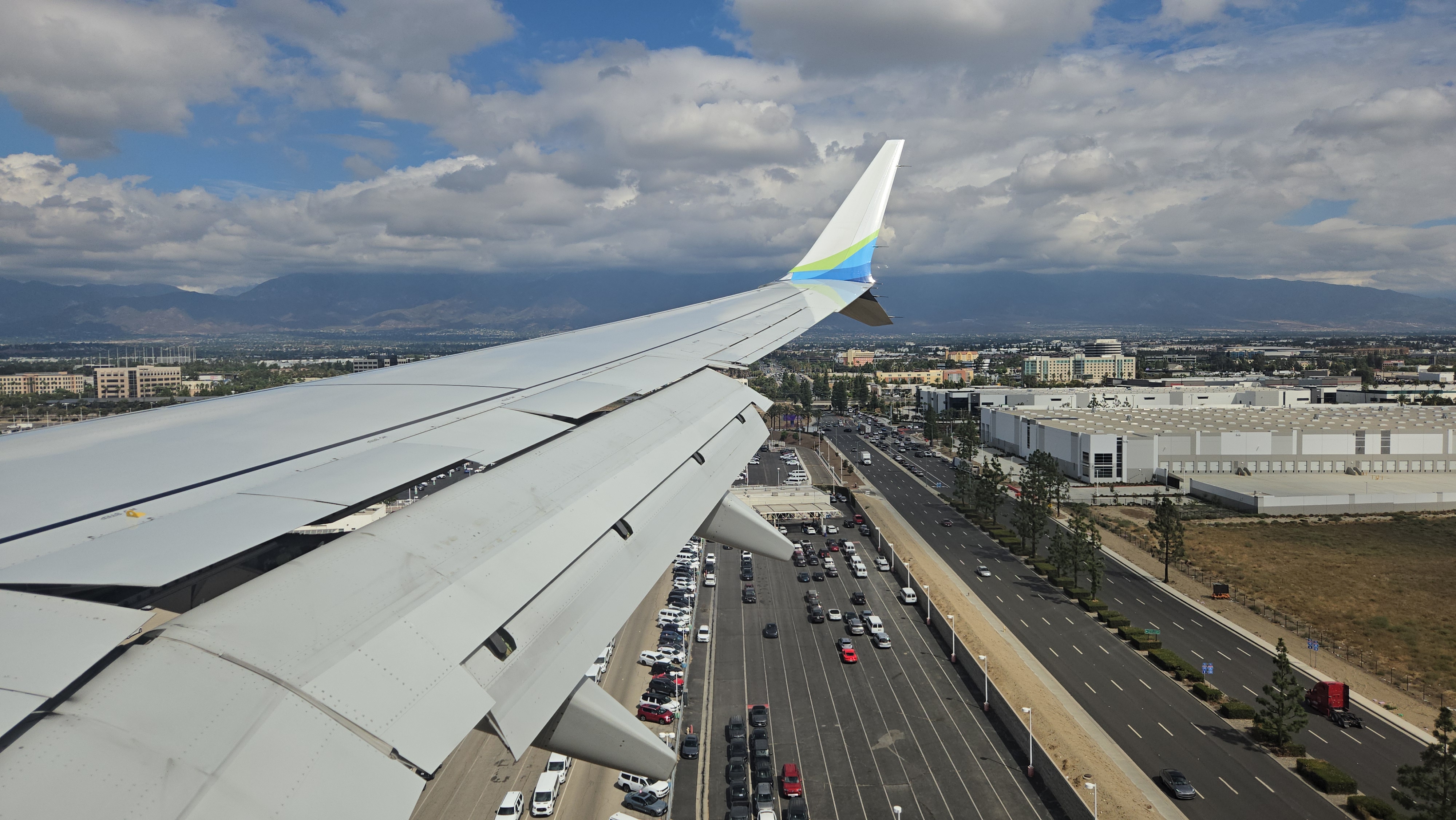
That dropping feeling? It’s usually just a slight change in vertical speed, not a dramatic loss of altitude. And those wings you might nervously watch out the window? If you see them flexing, they’re doing exactly what they were built to do.
Did You Know? Airplane wings are engineered to bend significantly under stress. They’re meant to act more like a strong spring than a brittle plank. In testing, they can even flex upward by several meters without failing. That flexibility helps distribute forces and prevents structural damage. To be certified, wings must withstand an “ultimate load” that is 1.5 times the maximum load expected in service, including strong gusts and steep maneuvers.
Is Turbulence Dangerous? Here's What the Numbers Say
Turbulence feels intense. Statistically, it’s quite safe.
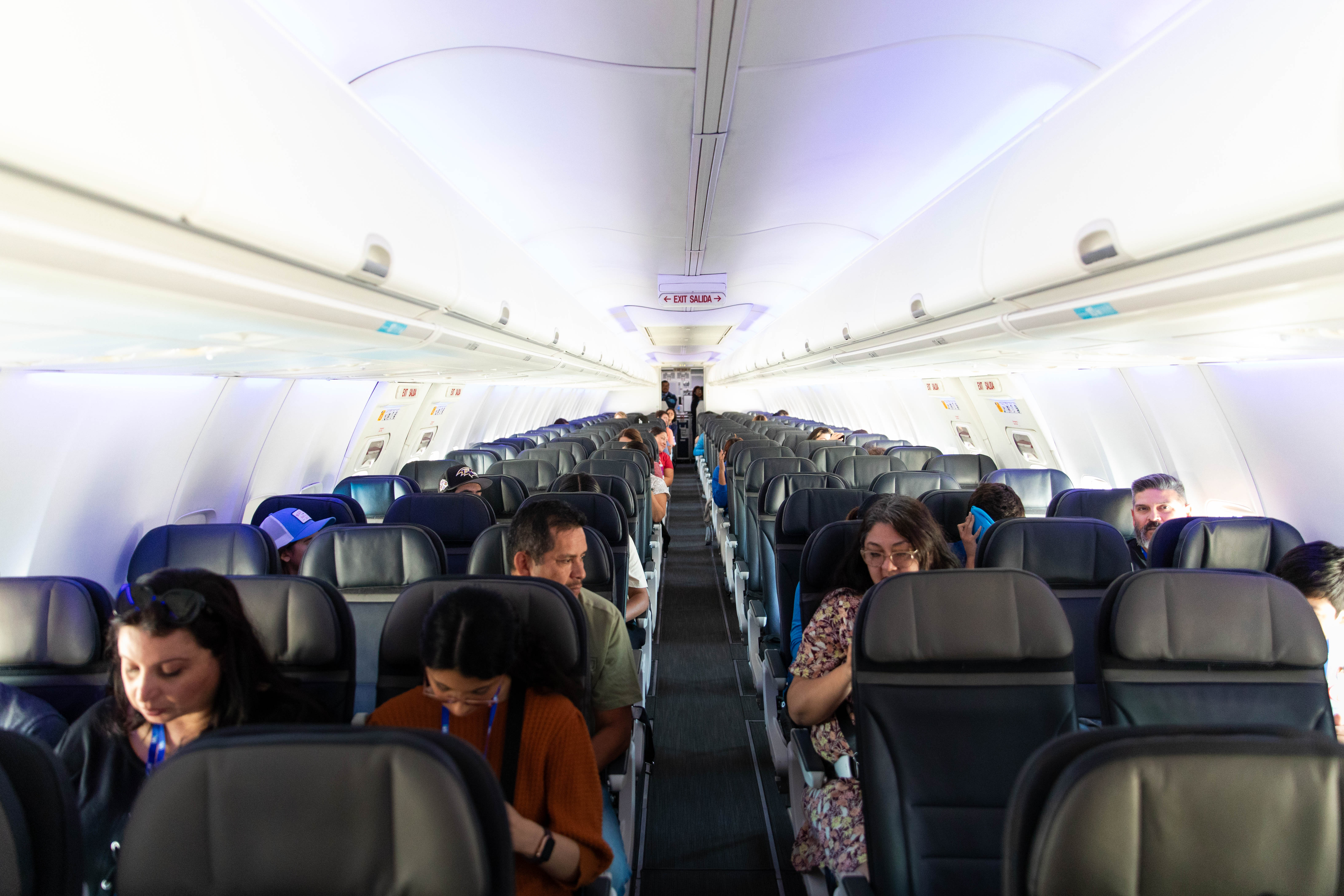
For commercial air travel, turbulence is mainly a comfort and housekeeping issue, with spilled drinks and bumped elbows being the main results. Investigations and safety reviews consistently find that serious harm to passengers is rare and is overwhelmingly linked to people not wearing seat belts when unexpected turbulence occurs (starting to respect the fasten seatbelt sign a little more?).
Weigh the handful of annual injuries on the scale against hundreds of millions of passengers, and the risk becomes very small, especially when you observe proper safety guidance. So while turbulence might redistribute your suitcase contents or interrupt your movie, it’s predominantly a comfort issue, not a safety threat.
Tips for Flying Through Turbulence with Less Anxiety
Knowing the science and stats can help fears of flying, but a proper plan to cultivate calm can help even more. Turbulence can be emotionally uncomfortable even when you know it’s physically safe, so strategies that target both your body’s stress response and your thoughts can help.
For your next trip, try out the following:
- Choose your seat strategically: Sitting over the wings or toward the front of the cabin usually feels slightly less bouncy than the very back, where motion can be amplified. If you’re very uneasy, booking a seat in these zones and near the aisle can reduce the sensation of movement and give you a sense of control.
- Use grounding and breathing techniques: Simple practices like the 5–4–3–2–1 grounding method (naming five things you can see, four you can touch, three you can hear, two you can smell and one you can taste) can shift your focus from internal worry to your immediate surroundings. Box breathing, taught in both Navy SEAL training and meditation practices, can further help relax your nervous system and dampen your body’s fight‑or‑flight response
- Reframe the sensations: Remind yourself that pilots routinely train for turbulence, aircraft are overbuilt for these loads and the bumps are a normal part of moving through a living atmosphere, not an indication that “something is wrong.”
- Use distractions and comfort tools: Calming music, guided meditations or engrossing movies can occupy your attention during rough patches. Light snacks, staying hydrated and avoiding excessive caffeine or alcohol also support a steadier mood and reduce jitteriness.
- Keep your seat belt fastened: The single most effective safety habit is to keep your belt on whenever you’re seated, even when the sign is off. This simple step dramatically reduces your already tiny risk of injury from a sudden jolt.
If a bumpy ride tends to upset your stomach, it can help to pair these anxiety tools with motion-sickness strategies, like medications recommended by your primary care provider, ginger products, focusing on the horizon and avoiding reading during the chop.
For families, especially those traveling with nervous kids, simple explanations and familiar comforts go a long way. Framing turbulence as “the plane driving over bumpy air” can make it feel much less intimidating and more understandable.
From Takeoff to Touchdown, You’re in Good Hands
Turbulence will always get a few raised eyebrows and nervously tightened seat belts. That’s part of the shared experience of flying. But understanding what’s actually happening can help you reframe the moment from something mysterious or terrifying into something manageable.
Remember this the next time the cabin gets a little bumpy: Every system, every structure and every professional involved in your flight is designed and trained with moments like this in mind. From the pilots and air stewards to the engineers who built the aircraft, turbulence is part of the plan, and safety is the end goal.
At Ontario International Airport (ONT), calm, smooth and safe is our goal, too. A more predictable airport environment, shorter lines and a relaxed-but-efficient pace all help set the tone before you even leave the ground, so when the unexpected happens in the air, you’re already starting from a place of confidence.
You may not be able to control the air currents at 35,000 feet, but you can control how prepared and informed you feel before you get there.

Trending Posts

Contact ONT
Have questions for the ONT team? Click the link below for multiple ways to connect with us.