



Table of Contents
Ease motion sickness on your next flight with practical tips on hydration, seating, food, natural remedies and over-the-counter meds.
So, you’re boarding a plane, ready for takeoff, dreaming of your destination. Maybe it’s a sandy beach, a big meeting or just a well-deserved escape. But somewhere between “please fasten your seatbelt” and cruising altitude, your stomach decides it wants out.
Here’s the thing: motion sickness while flying doesn’t mean you’re weak, dramatic or somehow unfit for air travel. It means your body is just a little too good at detecting movement. About one in three people are highly susceptible to motion sickness, and up to 80% of humans can be affected under the right (read: wrong) conditions. That’s… almost everybody. So, let’s head straight to how to prevent motion sickness on a plane.
This guide is packed with tips, tricks and traveler-tested advice for surviving motion sickness in the air while keeping your cool (and your breakfast) intact.

What Causes Motion Sickness?
Motion sickness is basically your body’s way of saying, “Hey, this doesn’t add up.” Your inner ear feels motion (like a plane turning or shaking), but your eyes might not see it, especially if you’re reading or looking at a screen. This sensory mismatch confuses your brain and can trigger symptoms like nausea, dizziness and sweating. Think of it as your body's overly cautious security system going into overdrive when it detects something unusual. It’s not you. It’s biology.
Luckily, knowing what’s happening gives you the power to work around it with smart strategies for preventing nausea during flights.

Smart Seating: Find Balance on Your Flight
Where you sit absolutely matters if you're prone to motion sickness.
- Over the wings is your sweet spot. It’s the most stable area of the plane, kind of like sitting at the center of a seesaw instead of on the ends.
- Aisle seats give you easier access to the restroom (or just a quick stretch-and-breathe session) and may reduce any feeling of claustrophobia.
- Avoid the back of the plane unless you enjoy feeling every little bump, shake and air pocket.

What to Eat (and Avoid) Before Flying
You wouldn’t scarf a big, greasy burrito before a rollercoaster, right? The same logic applies here.
You’ll want to stick to light, bland meals. Things like toast, bananas or a small bowl of rice can go a long way in keeping your stomach settled. Avoid greasy, spicy or acidic foods, as these tend to aggravate nausea, especially at altitude.
Pack snacks like crackers or pretzels if you need something to nibble on mid-flight.
And skip the champagne toast before boarding, as alcohol and carbonated drinks tend to add fuel to the fire by irritating your stomach or increasing that bloated, sloshy feeling no one wants at 30,000 feet.
Hydration Tips to Steady Your Stomach
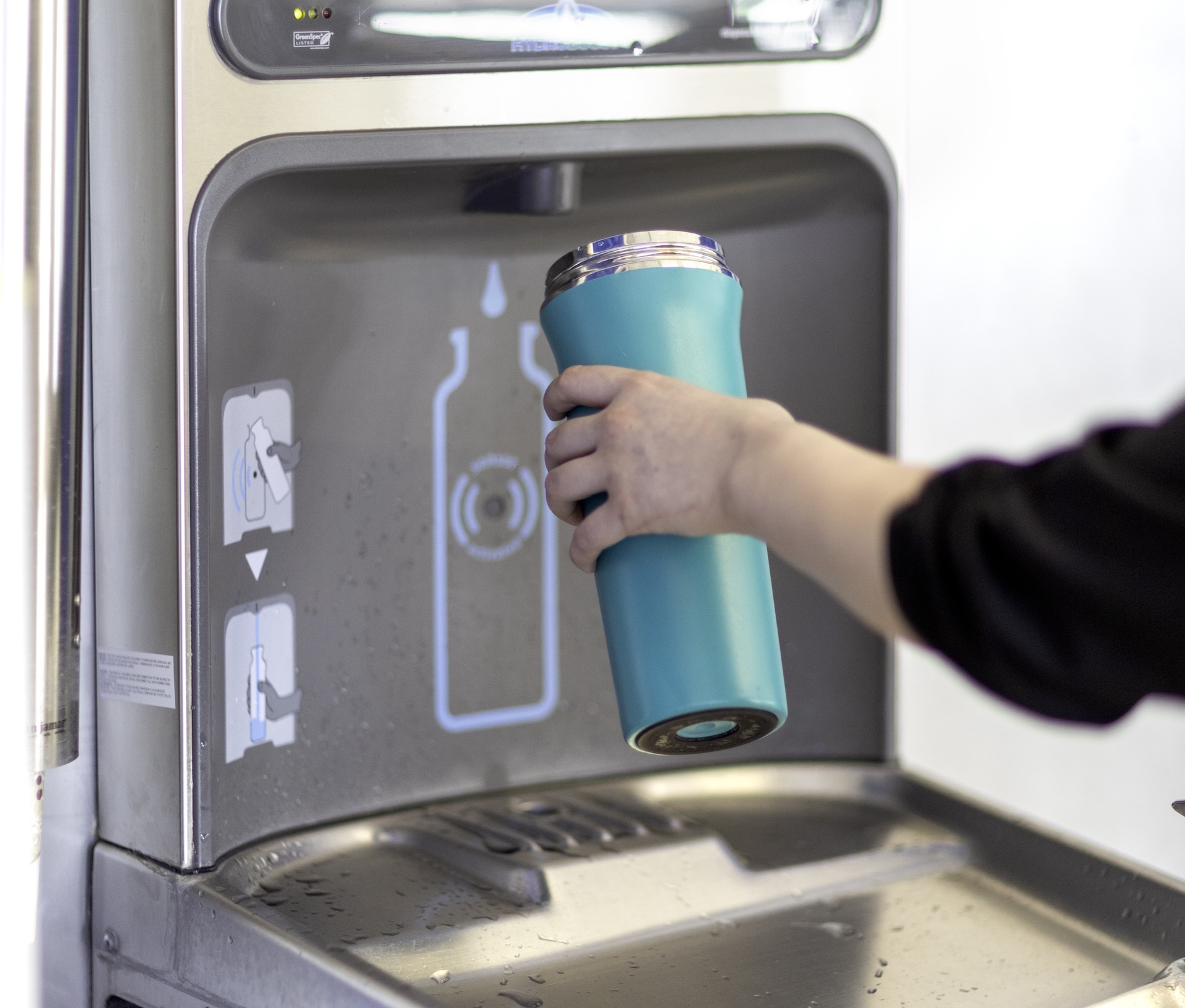
Hydrating may not be as fun as hitting the cafe or the airport bars, but it’s an essential part of feeling your best on a flight. Drinking water before and during your flight helps your body stay balanced and supports your inner ear in adjusting to altitude and motion changes.
Just don’t gulp a full bottle all at once! Sipping steadily throughout your travel day is much more effective (and less likely to lead to a desperate dash to the lavatory).
While we’re at it, limit caffeine, which can dehydrate you and mess with your system.
Natural Remedies: Gentle, Effective and TSA-Friendly
For those looking to avoid medication or supplement other strategies, there are plenty of natural remedies for motion sickness that can help ease in-flight nausea.
Ginger, for instance, is a time-tested solution. Whether you go for ginger chews, tea or capsules, it’s known for calming the digestive system and reducing queasiness. Peppermint is another hero, and peppermint hard candy or gum can soothe nausea while freshening your breath (bonus!). Acupressure wristbands are another potential aid, applying gentle pressure to a specific point on your wrist that may help reduce symptoms.
These remedies are easy to pack, have minimal side effects and can be used as needed during the flight.
Responsible Use of Motion Sickness Medications
If you’re prone to serious motion sickness and herbal hacks aren’t cutting it, over-the-counter medications like Dramamine or Bonine can be extremely effective. These options are designed to prevent nausea before it starts, so don’t wait until you feel sick! Take them as directed, ideally 30 to 60 minutes before your flight.
Be aware that some versions can make you drowsy, so plan accordingly if you’ve got meetings or big plans right after landing. Also, never mix medications with alcohol, and make sure to read the packaging and understand any potential side effects or adverse reactions.
For those with severe symptoms or medical conditions, it’s always best to consult your doctor ahead of time to make sure your motion sickness plan is safe and effective for you.
How to Move and Breathe During the Flight
Even if you’ve done everything right, sometimes you still need to get tactical mid-air. Keep still, look ahead and don’t sniff anything weird!
- Look forward — or out a window — at something stable. The horizon always beats any in-flight entertainment during turbulence. If you really do need to look at your phone, consider using built-in features or apps designed to reduce motion sickness.
- Keep your head steady with a travel pillow. The less bounce, the better.
- Avoid screens and books during bumpy stretches. Tiny words + turbulence = big trouble.
- Get some “fresh” air by adjusting the vent above your seat. Cooler air can help with feelings of nausea or anxiety.
- Breathe wisely if you start feeling off by taking slow, deep breaths — in through your nose, out through your mouth — to calm your nervous system and steady your stomach.
- Powerful smells? Hard pass. If someone near you busts out the egg salad, don’t hesitate to have a polite conversation with them or a flight attendant about your needs. You’ve got rights (and a nose) — and no one wants to see the air sickness bag make an appearance.
When Things Don’t Go as Planned
Even with all the prep and good vibes in the world, motion sickness can still sneak up on you mid-flight. Don’t panic or feel embarrassed! It happens, and there’s a game plan for if things go for a loop in your stomach. First, reach for the airsickness bag tucked in the seat-back pocket in front of you (that’s exactly what it’s there for). If you’re feeling worse, let a flight attendant know. They’re absolute pros at helping passengers through these moments, and they can offer water, a cool cloth or even help you move to a more stable seat if there’s space.
Try focusing on slow, steady breathing to calm the nausea. If you can, lean your head back, stay as still as possible, and avoid looking at your phone or reading until you’re feeling better. And if you’re traveling with someone, don’t be afraid to ask them for a little help. Often, just having a calm voice next to you can make for a big improvement.

Steady Skies Ahead: Your Anti-Nausea Game Plan
To recap: if you’re prone to motion sickness while flying, you’ve got plenty of tools to fight back. Choose your seat carefully, eat light and smart, hydrate steadily and keep a few remedies (natural or medicinal) within reach. Know your limits, listen to your body and don’t be afraid to take a break or breathe through the queasiness if it starts creeping in. It’s a huge bummer when your inner ear decides to betray you, but using these strategies will help you stay comfortable and in control throughout your flight.
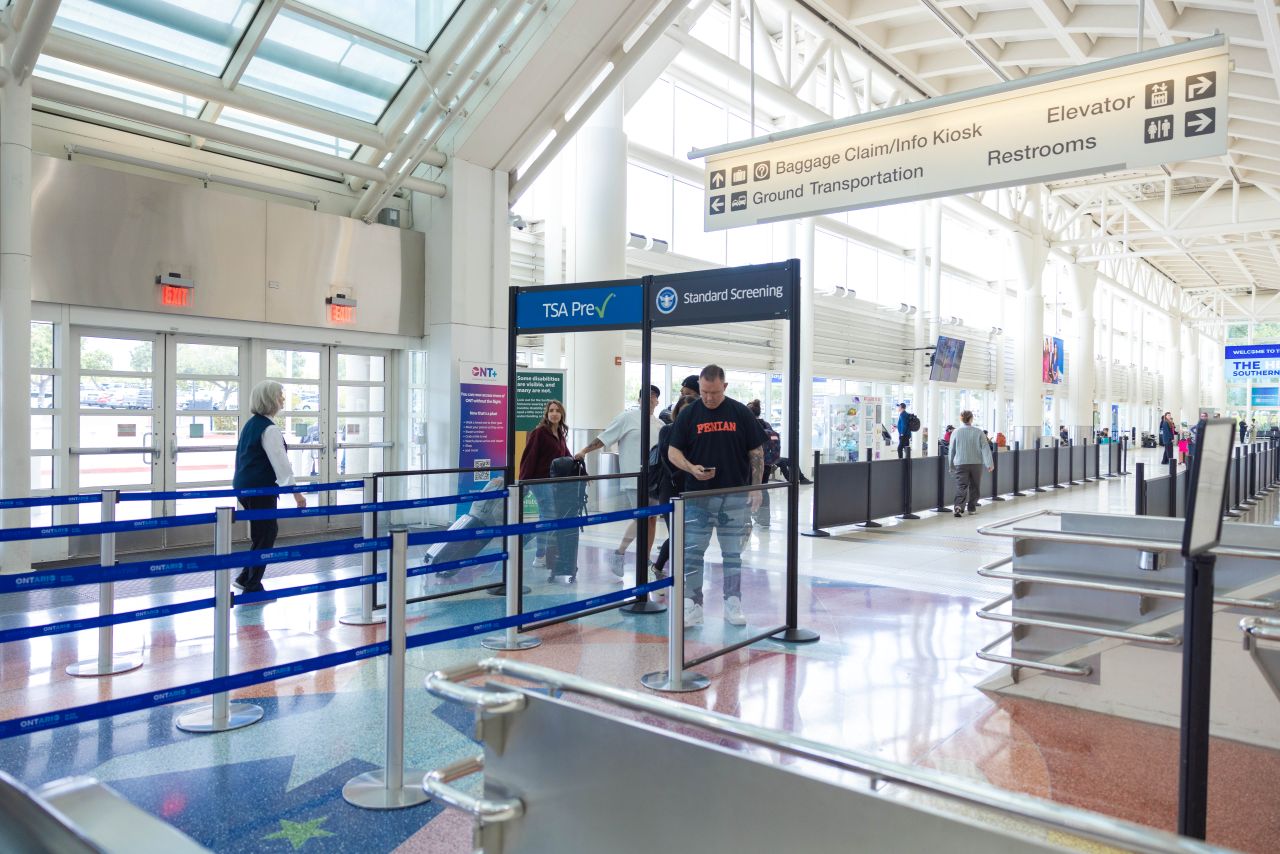
Flying out of Southern California soon? Ontario International Airport makes it easier to travel in comfort. From quick security lines to plenty of places to grab gum, mints, light food and water, you’ll be all set for a smooth trip.
Don’t forget to save or share these tips before your next flight so you can focus on enjoying the ride instead of bracing for it. You’ve got this!

Trending Posts

Contact ONT
Have questions for the ONT team? Click the link below for multiple ways to connect with us.