


Table of Contents
Taking a red-eye flight? Learn how to sleep better, minimize jet lag and make the most of your overnight travel with these expert tips.
So, you’ve booked a red-eye flight. Maybe you were looking to save money, squeeze more into a long weekend or get a jump start on a business trip, which are all valid reasons. But the thought of trying to sleep upright at 35,000 feet and still feel human the next day? That’s another story.
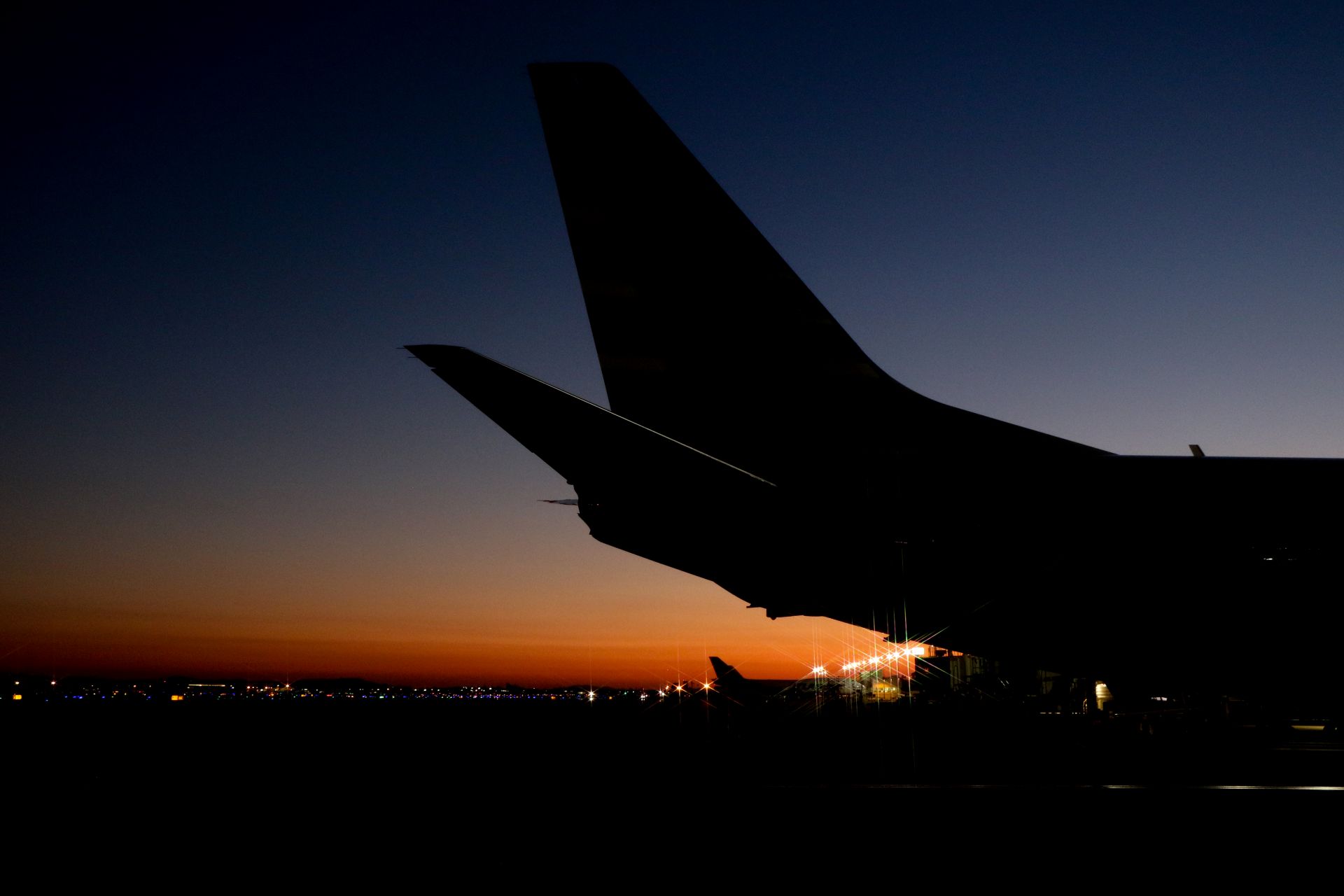
Red-eye flights — overnight routes that depart late and land early — have a reputation for turning travelers into groggy, grumpy zombies. But with a little prep, that flight doesn’t have to leave you bleary-eyed and jetlagged. It can actually be one of the smoothest, smartest ways to travel.
Our experts have you covered. From picking the right seat to syncing your sleep schedule, here’s how to make the most of your next red-eye.

Why Take a Red-Eye Flight?
Red-eye flights come with a few sneaky perks, especially if you’re into saving time, money or your PTO balance. Flying overnight means you land early, ready to jump straight into sightseeing, meetings or a much-needed family reunion. It also cuts down on the need for an extra night at a hotel, helping you save on both lodging and transportation. Night flights also typically mean fewer crowds and shorter lines. Think quiet terminals, relaxed vibes and more room to breathe while you board.
And hey — if you can crack the code on sleeping in the sky, you might never go back to daytime flights again.
How to Prepare for a Red-Eye Flight
Pick the Right Seat for Sleep
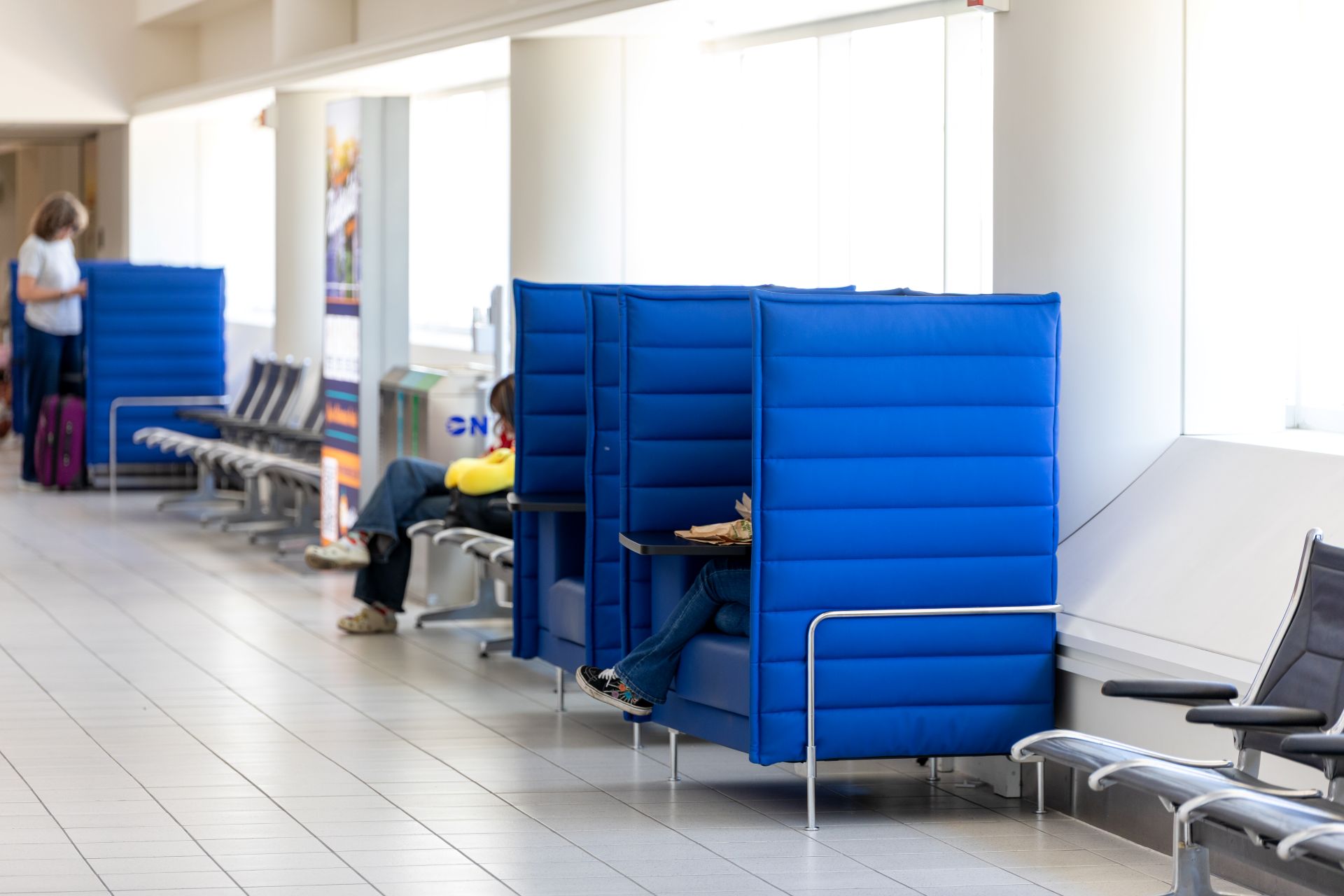
Where you sit can make or break your inflight snooze. Ideally, go for a window seat — it gives you something to lean against and keeps aisle traffic (and the dreaded armrest elbow bumps) at bay. Exit row seats may offer extra legroom, but they often come with limited recline or extra foot traffic (plus, you just know that Mr. Middle Seat is going to want to go to the bathroom four times during the trip). Avoid seats near restrooms or the galley unless you’re cool with midnight chatter and slamming cabinet doors.
Pro Tip: If your airline offers seat maps, take a moment to choose the spot that gives you the best shot at uninterrupted rest.
Dress for Comfort & Bring Sleep Essentials
If your clothes are stiff, itchy or too hot, sleep’s not happening. Dress in breathable layers so you can roll with whatever temperature the cabin decides to deliver.
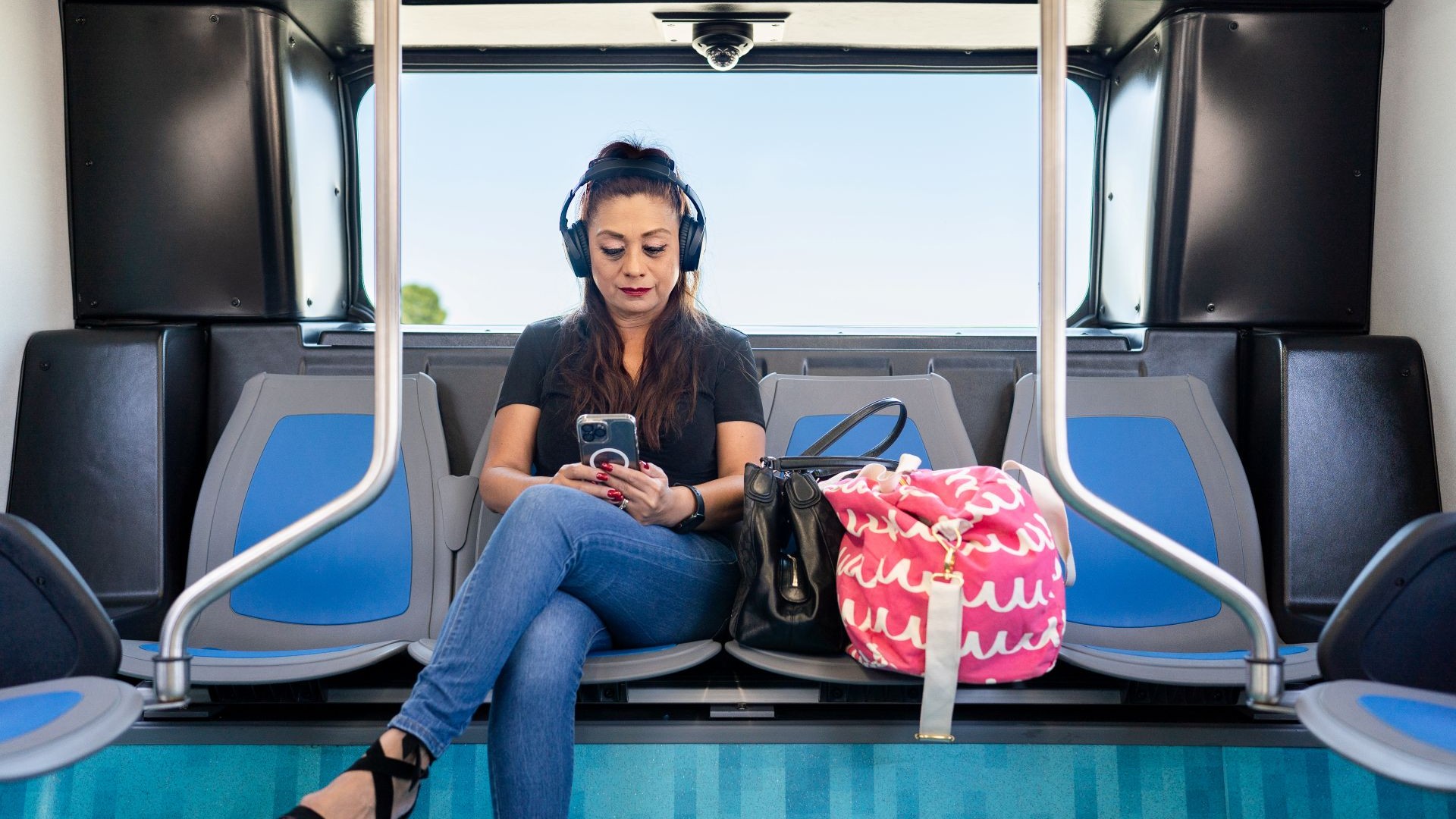
Pack the usual suspects: a neck pillow, eye mask and noise-canceling headphones or earplugs. The more you can trick your body into thinking it’s bedtime, the better.
Forget a sleep-time essential like a travel pillow or headphones? No judgment. Swing by the airport shops to grab what you need before departure.
Eat Right Before & During the Flight
That gigantic burger-and-fries combo might sound great at the gate, but heavy meals and late-night caffeine are not your friends on a red-eye. Go for something light before takeoff — think lean protein and complex carbs — and skip the soda and coffee. Most airport restaurants shut down early (though at Ontario International Airport, you’ll find plenty of dining options from 4 a.m. to midnight), so consider packing your own snacks. Choose easy-to-digest, low-sugar options to avoid a mid-flight stomach rebellion.

Sleep Strategies on the Plane
Adjust Your Sleep Schedule Before You Fly
Jet lag is like a bad roommate — annoying, disruptive and hard to shake. If your schedule allows, start shifting your bedtime a few days in advance, nudging when your head hits the pillow earlier or later depending on where you’re headed. Even a small adjustment can help your body adapt faster. Bonus points for squeezing in a quick workout before your flight to help you wind down naturally.
Optimize Comfort on the Plane
Once onboard, recline your seat gently (no need to launch into the lap of the person behind you), and set up your pillow like you mean it. Try to cut screen time at least 30 minutes before trying to sleep. Blue light keeps your brain wired — not what you want at cruising altitude. Instead, listen to calming music or ambient noise, or use an app with guided meditations for falling asleep in unfamiliar environments.
Surprise Tip: The hole in your neck pillow? Yeah, it actually works better if that’s facing your back, not your front.
Avoiding Jet Lag After a Red-Eye Flight
Hydrate & Move Around
Dehydration is jet lag’s partner in crime. Drink water before, during and after your flight. Cabin air is dry enough to rival the Mojave, so bring a refillable water bottle and sip steadily. If you’re awake, take a walk down the aisle or do a few stretches in your seat to keep blood flowing and reduce stiffness.
Get Some Sunlight & Adjust to Local Time
Once you land, resist the siren song of your hotel bed. Natural sunlight is your best tool for resetting your internal clock. Step outside, take a walk and stay up until local bedtime. Yes, you’ll be tired — but that first day sets the tone for your entire trip. Power through, and tomorrow will feel a whole lot better.

Traveling on a Red-Eye with Kids
Create a Sleep-Friendly Setup
Bringing little ones along? Dress them in cozy pajamas and bring familiar comfort items like a blanket or stuffed animal. These small touches can help them settle down in an unfamiliar setting. Window seats work well for families too, keeping kids in one spot and limiting how often they’re disturbed. Plus, they’ll get a better view of the city lights below, something they just might find cooler than whatever’s loaded on the tablet (but probably not).
Keep Kids Entertained Before Sleep
Use the time before bed to keep kids calm and distracted. Load up tablets with pre-downloaded movies, audiobooks or quiet games, and pack mess-free snacks to avoid hunger-related meltdowns mid-flight. Skip the sugary treats unless you're looking to parent a tiny ping-pong ball while you get glares from the rest of the cabin. And if they’re nervous? Just give them some love and reassure them that everything is going to be okay. Sometimes that’s all kids need.
Final Red-Eye Flight Checklist
Yeah, red-eye flights have a reputation — they aren’t called “restful flights,” are they? You either love them for their efficiency or dread them for the groggy mornings that follow. But with the right prep and mindset, that overnight journey can feel less like a draining blur and more like a travel hack in disguise. Before you board, run through this quick mental checklist to set yourself up for overnight flight success:
- Book a window seat for fewer interruptions and better sleep support.
- Wear soft layers and pack essentials like a pillow, eye mask and headphones.
- Eat light, stay hydrated and skip the caffeine.
- Adjust to your new time zone as soon as possible — no long naps.
- If you're flying with kids, prep them with pajamas, snacks and familiar items to make sleep easier.
Your red-eye flight doesn’t have to leave you with red eyes on arrival. Plan smart and you’ll land refreshed, not wrecked — all while saving on time and money. Flying out of Southern California? Ontario International Airport offers a calm, convenient experience for late-night travelers. Check out our flights and make sure to take advantage of our in-airport amenities!
Trending Posts

Contact ONT
Have questions for the ONT team? Click the link below for multiple ways to connect with us.