


Table of Contents
Carry it on, check it or ship it ahead? The right call saves money and hassle. Here's how to decide before your next flight from ONT.
Pretty proud of how you packed for your upcoming trip? That’s great! Unfortunately, the airline agent’s scale is here to ruin your mood.
“That’s going to cost an additional fee.”
Oof. Maybe your bag is overweight, or maybe the airline has some semi-obscure add-on charges you weren’t expecting. Either way, the result is the same: a little packing regret and some secondhand stress.
We get it, just two pairs of shoes weren’t enough. But today most travelers spend all their time deciding what to pack and how to pack it rather than considering how they actually want that packed bag to reach its destination. But whether you carry it on, check it or ship it ahead can have a major impact on your travel budget, convenience and overall airport experience.
Before you get caught with an unforeseen upcharge, here's how to choose the option that makes the most sense for your trip.

Carry-On vs. Checked vs. Ship It: A Quick Comparison
Option | Typical Cost | Best For | Watch For |
|---|---|---|---|
| Carry-On | Free or airline fee depending on carrier | Short trips, business travel, frequent flyers | Size restrictions, TSA liquid limits, prohibited items |
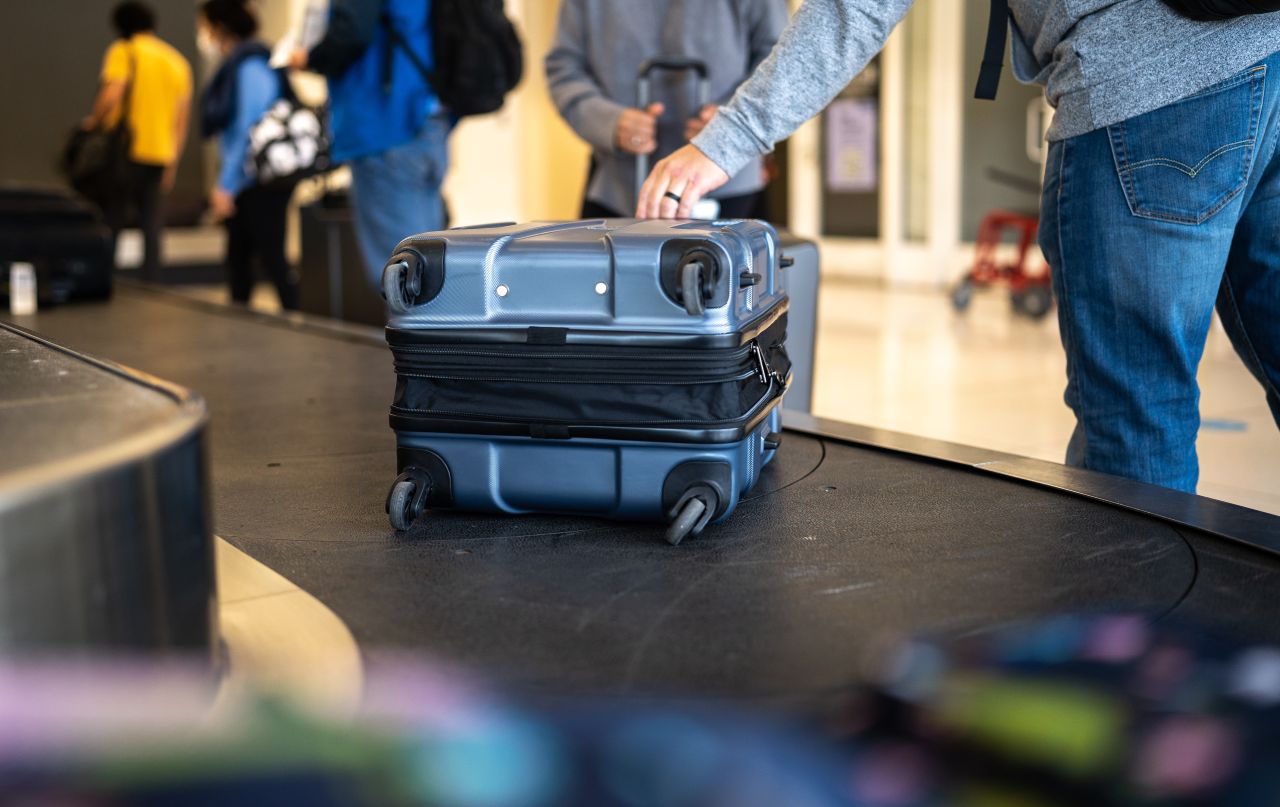
| Checked Bag | Airline fee varies by carrier | Longer trips, families, full-size toiletries | Bag fees, overweight charges, baggage claim wait times |
| Ship Ahead | Varies by size, weight, carrier, destination | Gifts, sports equipment, bulky items, longer stays | Restrictions, shipping timelines, delivery coordination |
If you’re looking for a universal “best” option, you won’t find one. The right choice depends on what you're bringing, how long you're traveling and whether convenience or cost matters most to you.
What It Costs to Check a Bag
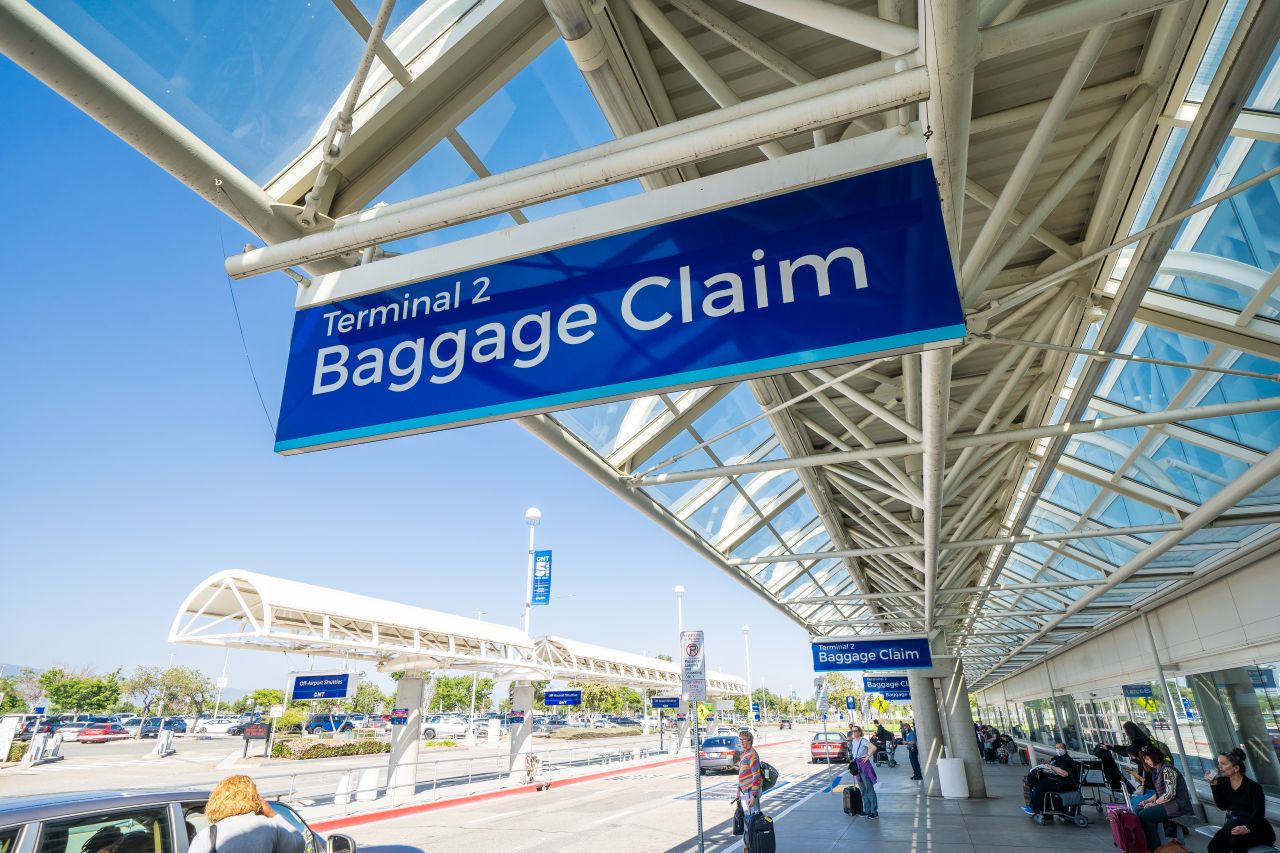
Today, virtually every airline has its own baggage policies, fee structures, weight limits and exceptions. Even Southwest Airlines, long known for its two-bags-fly-free policy, now charges checked baggage fees for travelers without a Southwest card. With so many once-concrete fee structures changing, one can never assume what something previously straightforward will now cost.
As such, it’s a great idea to visit your airline’s website before a trip and verify:
- Checked bag fees
- Carry-on fees
- Weight limits
- Size restrictions
- Oversized item policies
- Special equipment fees
This is especially important if you're flying with budget carriers, where baggage charges often make up a significant portion of the total fare. Funny enough, just one overweight suitcase can easily cost more than an additional checked bag.
Pro Tip: “A simple luggage scale can help you save money before you ever leave home. If you don't own one, try the classic trick: Weigh yourself, then weigh yourself holding your suitcase and subtract the difference. Of course, this only works for bags that you can lift. Otherwise, a portable luggage scale can really upgrade your packing game.” – Brooke Staggs, Communications & Public Relations Manager at ONT

Carry-On Rules: Size, Weight and What Actually Fits
Surely you’ve heard frequent fliers singing the praises of traveling with carry-on luggage only? You skip baggage claim, avoid checked bag fees and get the freedom to walk straight off the plane in the direction of your destination.
But carry-on travel comes with limits. Most major airlines allow carry-on bags that are roughly 22 by 14 by 9 inches, including wheels and handles. The rules can differ slightly by airline, so always verify dimensions before flying. Airlines have also become much stricter about enforcing these limits. Automated bag sizers and gate checks are becoming increasingly common, especially on busy flights. If your bag barely fits the requirements on paper, don't assume you'll slide by unnoticed. You'll also need to remember TSA carry-on restrictions, including liquid limits and prohibited items.
Carry-on travel works best for:
- Weekend trips
- Business travel
- Travelers who pack light
- Anyone hoping to avoid baggage claim
Ready to Master the Carry-On? We’ve Got All the Tips You’ll Need
When Shipping Ahead Actually Makes Sense
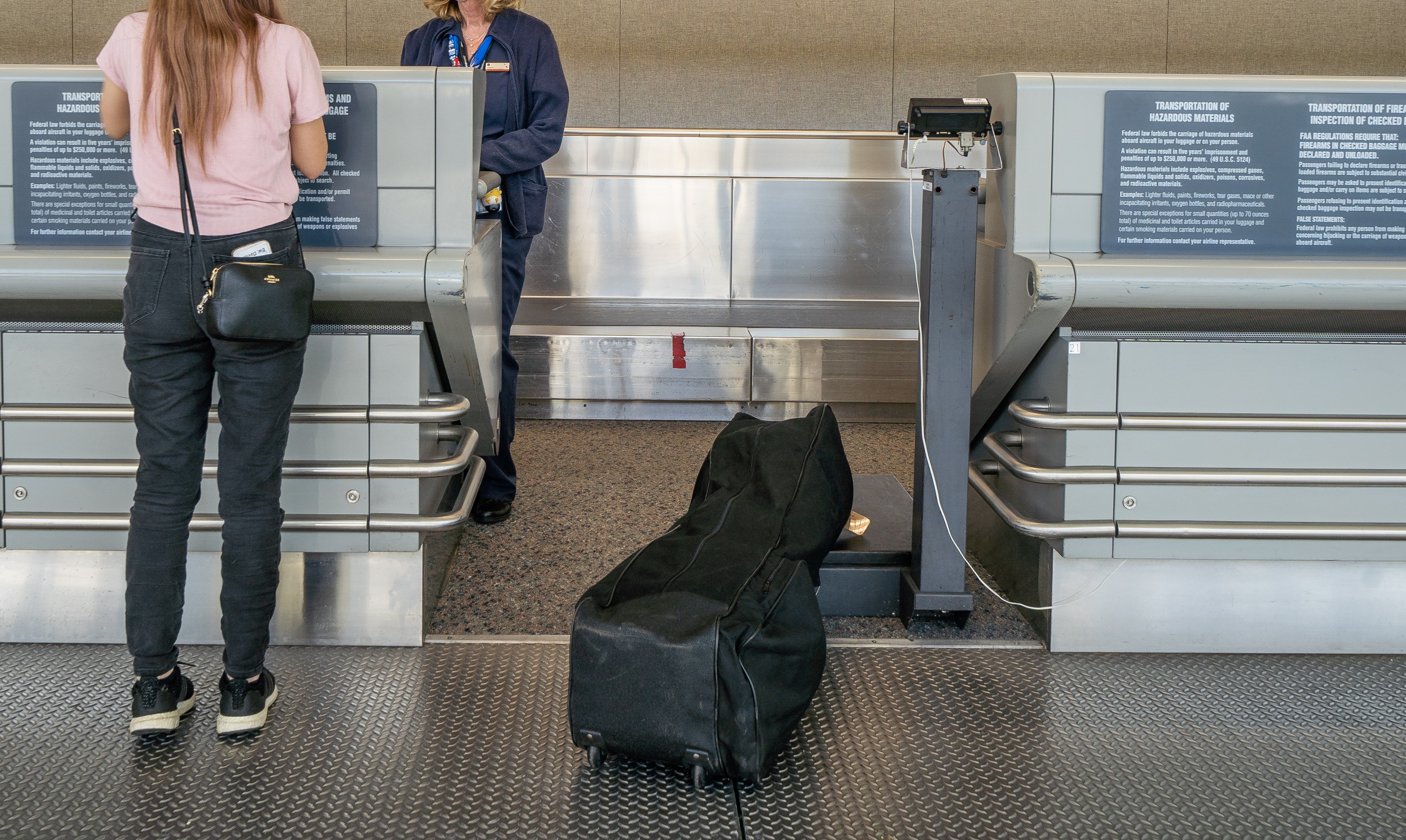
Shipping luggage or gear ahead isn't something most travelers consider until they've had a frustrating airport experience. It may feel like a sneaky hack, but in some situations, it can be the smartest option available.
Shipping ahead can make sense if you're traveling with:
- Golf clubs
- Skis or snowboards
- Large sports equipment
- Fragile gifts
- Trade show materials
- Bulky family gearItems you'll need for an extended stay
Families traveling with multiple children sometimes discover that shipping a large box ahead can cost less than checking several bags. Shipping also removes the hassle of dragging oversized items through terminals, parking garages, shuttle buses and hotel lobbies. It can also serve as a sly way to have particular foods/snacks you (or picky kid eaters) may want while away (or to get rare international snacks back home). You can also ship unopened alcohol to save money on pricey resort drinks, or ship oversized toiletries that can't go in a carry-on if you're not checking a bag.
Of course, shipping requires planning. You'll need to confirm delivery dates and make sure someone can receive the package at its destination. Still, for certain trips, the convenience can be worth every penny.
Get it where it’s going with USPS, FedEx, UPS or your carrier of choice.
Match Your Luggage Strategy to Your Trip
Fortunately, there’s no wrong answer, per se. The best luggage strategy depends entirely on your destination, your travel style and how much stuff you're realistically going to use once you get there.
If you're heading out for a quick weekend getaway, a carry-on is often the clear winner. You'll skip baggage claim, avoid checked bag fees and spend less time trying to remember where you packed what. Honestly, so many travelers are surprised by how much easier a trip feels when everything they need fits into a single bag that doesn’t need to be balanced or juggled.
On the other hand, longer vacations often make checked baggage worthwhile. A week at the beach, a family holiday or a trip that requires multiple outfits can quickly turn carry-on packing into a losing game of luggage Tetris. Checking a bag gives you room for full-size toiletries, extra clothing and the few souvenirs you'll inevitably bring home.
Then there are the trips that don't fit neatly into either category. Maybe you're traveling with a large item, wedding attire you don’t want to crumple, awkward sports equipment or a sleigh’s worth of holiday gifts. In those cases, shipping items ahead can be surprisingly convenient. Instead of hauling oversized gear through parking lots, terminals, and rental car counters, your stuff can just be waiting for you when you arrive.
The key is stopping for a decent evaluation of your luggage before you start packing. A little planning can help you avoid extra fees, embarrassment, logistical headaches or frantic repacking mid-terminal. Love who you are on vacation? Let’s gift that person with one less thing to worry about.
One Last Check Before You Head to ONT
The best baggage strategy is the one that fits your trip before you ever leave home.
Before your next flight through Ontario International Airport (ONT), check your airline's current baggage policies and fee schedules. Since rules and fees change regularly, the airline remains the best source for the latest information. A little preparation now can help ensure the only surprises on your trip are the good ones waiting at your destination.
Heading out? Trust ONT to help get you there.

Trending Posts

Contact ONT
Have questions for the ONT team? Click the link below for multiple ways to connect with us.